Hair thinning, a widening part, a receding hairline or increased hair shedding can affect both appearance and confidence. If you are exploring non-surgical options, PRP hair treatment in Dubai may be worth discussing with a qualified healthcare professional.
Platelet-rich plasma (PRP) therapy uses a concentrated portion of your own blood, which is processed and injected into selected areas of the scalp. It is intended to support hair growth in suitable patients, particularly those with certain types of pattern hair loss.
Research suggests that PRP may improve hair density in some people. However, results are variable, and differences in treatment protocols and study quality mean it should not be presented as a guaranteed solution. A 2024 systematic review found promising results for male pattern hair loss but highlighted limitations in the available evidence.
At Visage Polyclinic Dubai, patients can explore PRP treatment options and discuss whether this approach is appropriate for their hair-loss concerns.
PRP stands for platelet-rich plasma. Platelets are components of blood involved in clotting and wound healing. They also contain growth factors that participate in tissue-repair processes.
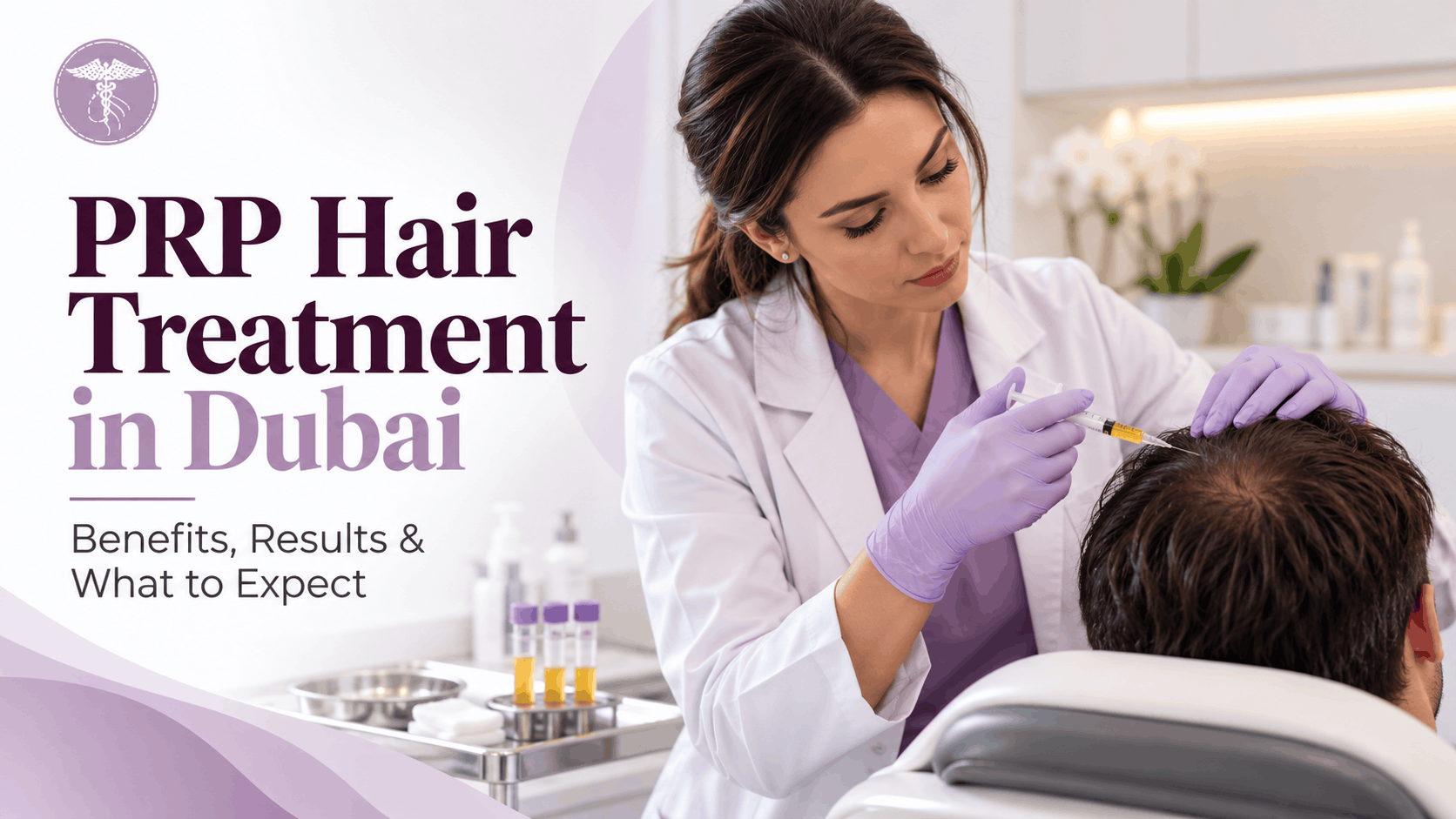
During PRP hair treatment, a healthcare professional takes a small blood sample and processes it in a centrifuge to separate a platelet-rich portion. The prepared plasma is then injected into selected areas of the scalp.
The goal is to support hair follicles and potentially improve hair density or reduce shedding in suitable patients.
PRP is sometimes described as a regenerative treatment because it uses components of the patient's own blood. However, using a person's own blood does not eliminate the possibility of side effects, and treatment outcomes depend on several individual factors.
For more information about the clinic's service, visit the PRP treatment in Dubai page.
PRP can help some people with certain types of hair loss, but it does not work equally well for everyone.
Research has shown potential benefits for androgenetic alopecia, commonly known as male or female pattern hair loss. Some studies report improvements in hair density following PRP injections. Nevertheless, researchers have also identified substantial variation in treatment methods, study quality and patient response.
PRP may be considered when hair follicles are still present but are producing thinner or weaker hair. It is not a reliable way to restore hair in every bald area or treat every cause of hair loss.
A proper diagnosis is essential because hair thinning can result from genetics, hormonal changes, nutritional deficiencies, illness, medication effects, scalp disorders or other medical conditions.
A clinician may recommend additional investigations or established hair-loss treatments rather than PRP alone, depending on the underlying cause.
1. Male Pattern Hair Loss
Male pattern hair loss often causes a receding hairline, thinning around the temples or reduced hair density at the crown.
PRP may be considered as one option for selected patients with this condition. The aim is generally to improve density or help manage thinning rather than recreate a completely new hairline.
2. Female Pattern Hair Loss
Female pattern hair loss can present as gradual thinning across the scalp or a widening part.
PRP may be discussed as part of an individualized treatment plan. A clinician should first assess the pattern of thinning and rule out other potential causes.
3. Early Hair Thinning
Some patients seek treatment when they first notice increased visibility of the scalp or a reduction in hair volume.
Early assessment can help identify the cause and determine whether PRP, medication, another intervention or a combination of approaches is more appropriate.
4. Hair Loss After a Medical or Physical Trigger
Hair shedding can occur after illness, significant stress, childbirth, rapid weight loss or certain medical treatments. This type of shedding does not necessarily respond to PRP in the same way as pattern hair loss.
The underlying trigger may need to be identified and addressed before any injection treatment is considered.
Important: PRP is not suitable for every form of hair loss. Sudden, severe or patchy shedding, scalp inflammation, pain or scarring should be medically assessed before cosmetic treatment.
The benefits depend on the diagnosis, severity of thinning and individual response.
May Improve Hair Density
Some clinical studies have reported increased hair density following PRP treatment in people with pattern hair loss. However, the size and consistency of the benefit vary, and stronger research is still needed.
May Help Reduce Ongoing Thinning
Some patients may experience less shedding or stabilization of hair loss. These outcomes are not guaranteed, and continued hair loss can occur despite treatment.
Uses Plasma From Your Own Blood
PRP is prepared from the patient's blood rather than relying on donor plasma. This does not mean complications are impossible; injection-related risks and problems with blood collection or processing can still occur.
Offers a Non-Surgical Option
PRP injections do not involve transplanting hair follicles or performing a surgical procedure. The treatment is minimally invasive, although it can cause temporary discomfort and requires appropriate aftercare.
Can Be Part of a Wider Treatment Plan
Depending on the diagnosis, a clinician may discuss PRP alongside established treatments such as topical minoxidil or other medically appropriate options. Evidence for combination treatment is promising but remains limited, so recommendations should be individualized.
A typical PRP appointment involves several stages.
Step 1: Hair and Scalp Assessment
The clinician reviews your hair-loss pattern, medical history, medications and previous treatments. They may examine your scalp and recommend tests if an underlying medical cause is suspected.
This assessment helps establish whether PRP is a reasonable option and what results may be realistic.
Step 2: Blood Collection
A small amount of blood is collected from your arm using appropriate clinical procedures.
Step 3: PRP Preparation
The blood sample is processed using a centrifuge to separate its components and obtain the platelet-rich plasma.
The concentration and composition of the prepared product can vary according to the equipment and processing protocol used.
Step 4: Scalp Injections
The prepared PRP is injected into selected areas of the scalp using an appropriate technique.
You may feel brief pinpricks, pressure or discomfort during the procedure. The degree of discomfort varies with individual sensitivity and the areas being treated.
Step 5: Aftercare and Follow-Up
Your clinician provides instructions for scalp care and arranges follow-up to assess your response.
Standardized photographs or other appropriate measurements may help track changes over time.
There is no single session schedule that suits every patient.
A course of initial treatments is often recommended, followed by reassessment and, where appropriate, maintenance sessions. The schedule depends on the diagnosis, treatment protocol, response and overall plan.
The American Academy of Dermatology describes a commonly used approach for male pattern hair loss involving monthly treatments for the first three months, followed by treatments every three to six months. This is an example of a clinical protocol, not a universal schedule for every patient.
During your consultation, ask:
A personalized plan is more useful than relying on a fixed number of sessions advertised for everyone.
PRP results develop gradually because hair growth follows a cycle. Changes in shedding or density are not usually immediate.
Some patients may begin to notice changes over several months, while others experience limited improvement. The American Academy of Dermatology notes that hair-loss treatment can take months to show results.
The outcome may depend on:
It is important to set realistic expectations. PRP may help improve hair density in some patients, but it cannot guarantee regrowth, restore every lost hair or prevent all future thinning.
PRP is generally considered a well-tolerated procedure when performed appropriately, but it is not risk-free.
Possible side effects include:
Because PRP uses your own blood, allergic reactions to donor plasma are not the central concern. However, sterile preparation, proper handling and safe injection techniques remain essential.
Tell your clinician about bleeding disorders, platelet-related conditions, scalp infections, relevant medical conditions and all medications or supplements you take. Do not stop prescribed medication unless your treating clinician advises you to do so.
If you develop worsening pain, spreading redness, fever or other signs of infection after treatment, seek prompt medical advice.
PRP may not be appropriate for everyone. Suitability depends on the cause of hair loss, general health and the characteristics of the blood and scalp.
Further medical assessment may be necessary for people with active scalp infections, certain blood or platelet disorders, significant anaemia or conditions that affect healing.
Patients with extensive baldness and few functioning follicles may have limited potential for improvement. PRP should not be presented as a substitute for hair transplantation when transplantation is the more appropriate option.
A qualified healthcare professional should explain whether the likely benefits justify the treatment and whether other options may offer a better outcome.
Different treatments serve different purposes. The most appropriate option depends on your diagnosis and goals.
PRP Injections: PRP injections may help improve hair density in selected patients, although results vary and maintenance treatments may be needed.
Topical Minoxidil: Topical minoxidil is an established option for certain types of pattern hair loss. It requires consistent use, and suitability and potential side effects should be discussed.
Prescription Medication: Prescription medications may help manage specific forms of hair loss. Medical assessment and a discussion of potential risks are necessary.
Hair Transplantation: Hair transplantation is a surgical procedure that moves hair follicles from a donor area to areas of thinning. Eligibility requirements and recovery time should be considered.
PRP and medication are not necessarily competing choices. Some patients may benefit from a combined plan, while others may be better suited to a different approach. A clinician can explain the evidence, expected benefits and limitations of each option.
The cost of PRP hair treatment in Dubai varies between clinics and individual treatment plans. Factors that may influence the total include:
Rather than relying on a promotional price alone, ask for a clear quotation covering the initial course, maintenance sessions and follow-up appointments.
A consultation is the best way to determine whether PRP is suitable and what the overall treatment plan may cost.
Choosing a clinic for hair-loss treatment should begin with an accurate assessment rather than a promise of guaranteed regrowth.
At Visage Polyclinic Dubai, patients can discuss their concerns and explore whether PRP treatment is an appropriate option. A personalized consultation should consider the type of hair loss, treatment goals, medical history and realistic expectations.
Before proceeding, ask about the professional performing the injections, the PRP preparation process, infection-control procedures, expected session schedule and how results will be assessed.
Learn more about the clinic's service on the PRP treatment in Dubai page.
If you are experiencing hair thinning or increased shedding, the first step is to identify the cause and understand which treatments are appropriate.
PRP hair treatment in Dubai may be an option for selected patients, but the best approach depends on your scalp condition, hair-loss pattern, medical history and goals. A professional assessment can help establish realistic expectations and explain alternatives where needed.
Contact Visage Polyclinic Dubai to discuss your concerns and explore whether PRP treatment may be suitable for you.
Research suggests PRP may improve hair density in some people with pattern hair loss. However, results are inconsistent, and not everyone responds to treatment.
It may help selected patients with male pattern hair loss, particularly when follicles are still present. It is not a guaranteed way to restore a receding hairline or extensive bald areas.
Visible changes may take several months. The timeline varies according to the cause of hair loss, treatment schedule and individual response.
Many protocols involve an initial series of treatments followed by reassessment and possible maintenance. Your clinician should recommend a schedule based on your diagnosis and response.
You may experience brief discomfort, pinpricks or tenderness during injections. The level of discomfort differs between individuals.
No. PRP cannot guarantee permanent prevention of hair loss. Some patients need maintenance sessions, and the underlying condition may continue to progress.
A clinician may recommend PRP alongside minoxidil for suitable patients. Research suggests possible additional benefits, but the quality of evidence is limited and treatment should be individualized.
It may be considered for selected women, but the cause of thinning should be assessed first. Different conditions require different treatments.
Temporary tenderness, redness, swelling, bruising and headache can occur. Infection and other complications are less common but possible.
This article is for informational purposes only and does not constitute medical advice. Consult a qualified practitioner for personalised guidance.
The cost depends on the number of sessions, treatment area, preparation protocol and follow-up plan. A consultation can provide an individualized quotation.